Thailand's Department of Internal Trade says it has found no sign of a shortage of consumer goods, even though retailers report that sales of everyday products have risen by about 5-10%. The department's director-general said on 6 November 2026 that shoppers do not need to stock up beyond what their households actually use.
Panic buying means rushing to buy goods and store them because of fear that supplies will run out. The department is monitoring purchases of consumer goods on an ongoing basis.
Why sales are up 5-10%
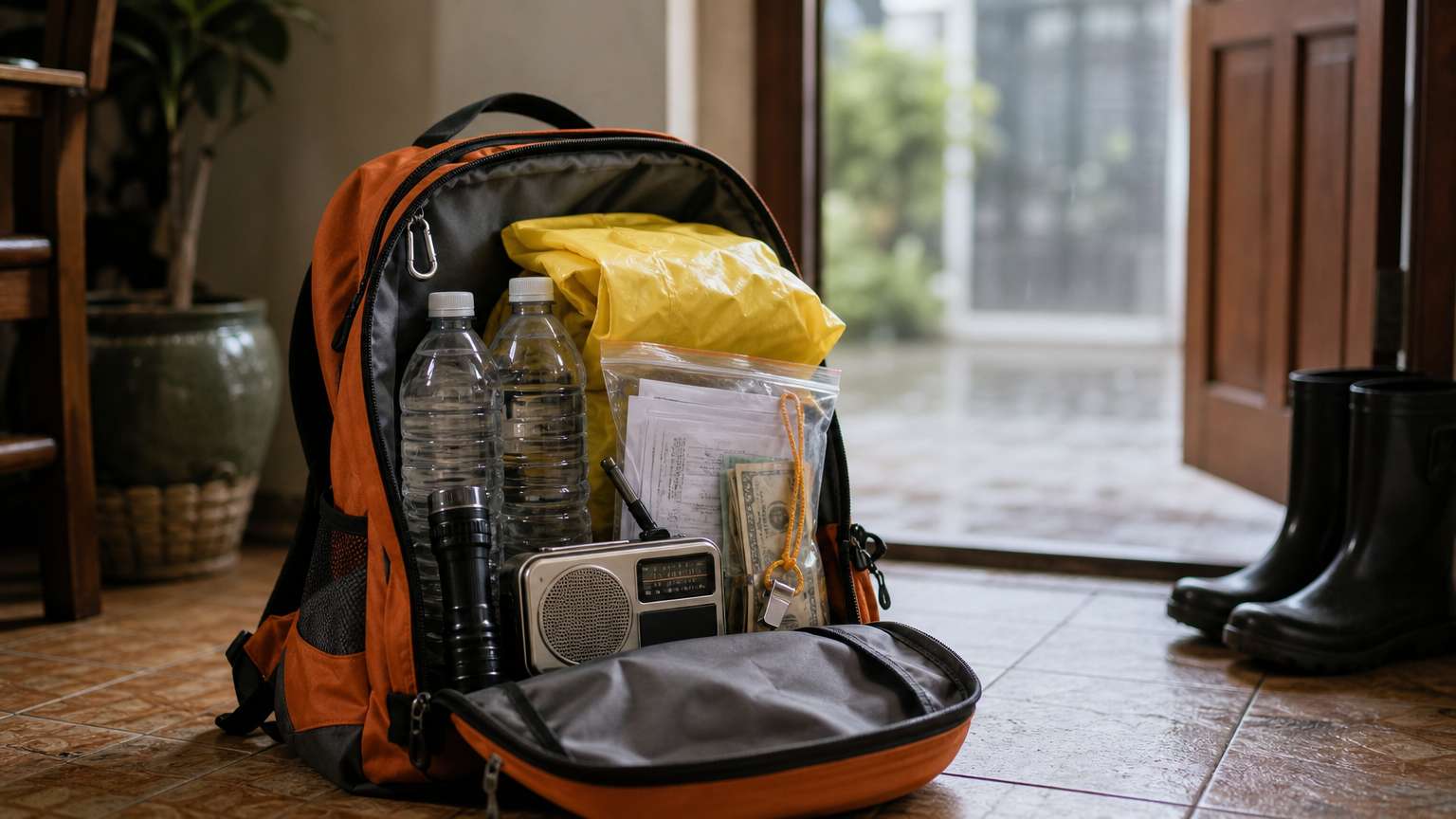
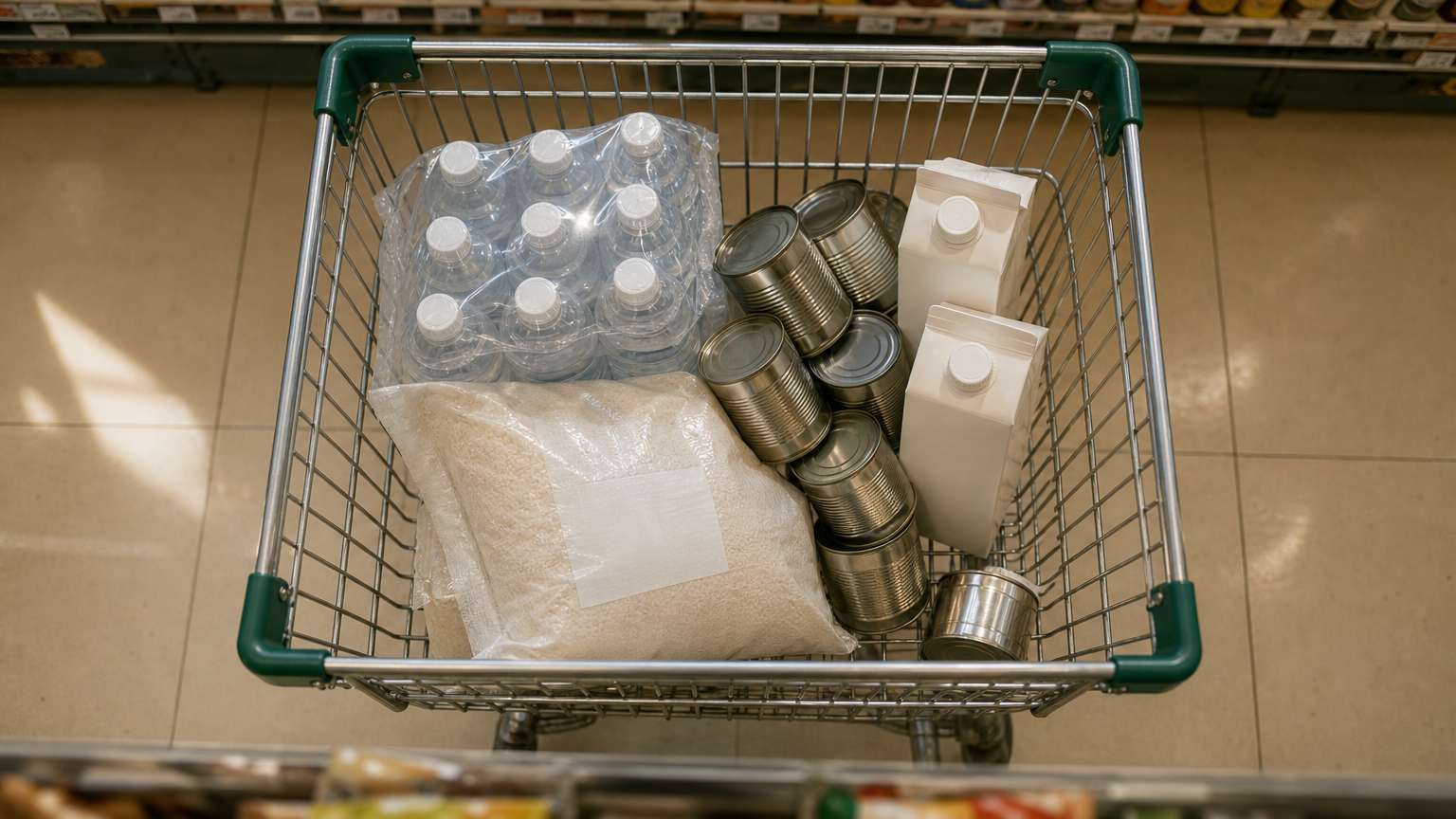
The 5-10% figure is what retailers reported to the department. Items that people are buying more of include drinking water, rice, canned food and milk. The department says it cannot yet tell how much of the rise is genuine stockpiling, because other factors are mixed in.
On 4 November 2026 the department met wholesale and retail chains, convenience stores, local department stores and large consumer goods makers. The aim was to judge how much more people are buying and whether production and distribution can cope. Overall sales were higher than normal.
The department pointed to several causes at once:
- Flooding in some areas, where people bought supplies to keep at home.
- The start of the month, when salaries are paid and people spend more.
- Government schemes. Local department stores saw sales rise by about 5% from spending under the state welfare card and the Thai Chuay Thai Plus (60/40) co-payment scheme.
The director-general said some product groups are indeed being bought more, partly because of payday and partly because some people bought extra after hearing the news. But he described the increase as "not very dramatic."
Stock is sufficient, meat prices steady
All operators told the department that supply remains sufficient. Wholesalers, retail chains and convenience stores keep stock in distribution centers and are sending it to branches continuously, so items that sell out on shelves are being refilled.
Large manufacturers said they are ready to raise output, prepare raw materials and manage inventory in line with possible higher demand. In practice, factories can adjust production if people buy more, without waiting for warehouse stock to run out.
The department told retailers to hold enough safety stock, meaning reserve goods kept in warehouses, and to keep shelves filled. The director-general said every chain has agreed. He asked the public to be aware but not alarmed, and said the department will keep watching the situation closely.
On prices, the department said meat prices are steady and most fresh vegetables have become cheaper. Fresh food prices have not jumped because of the buying trend.
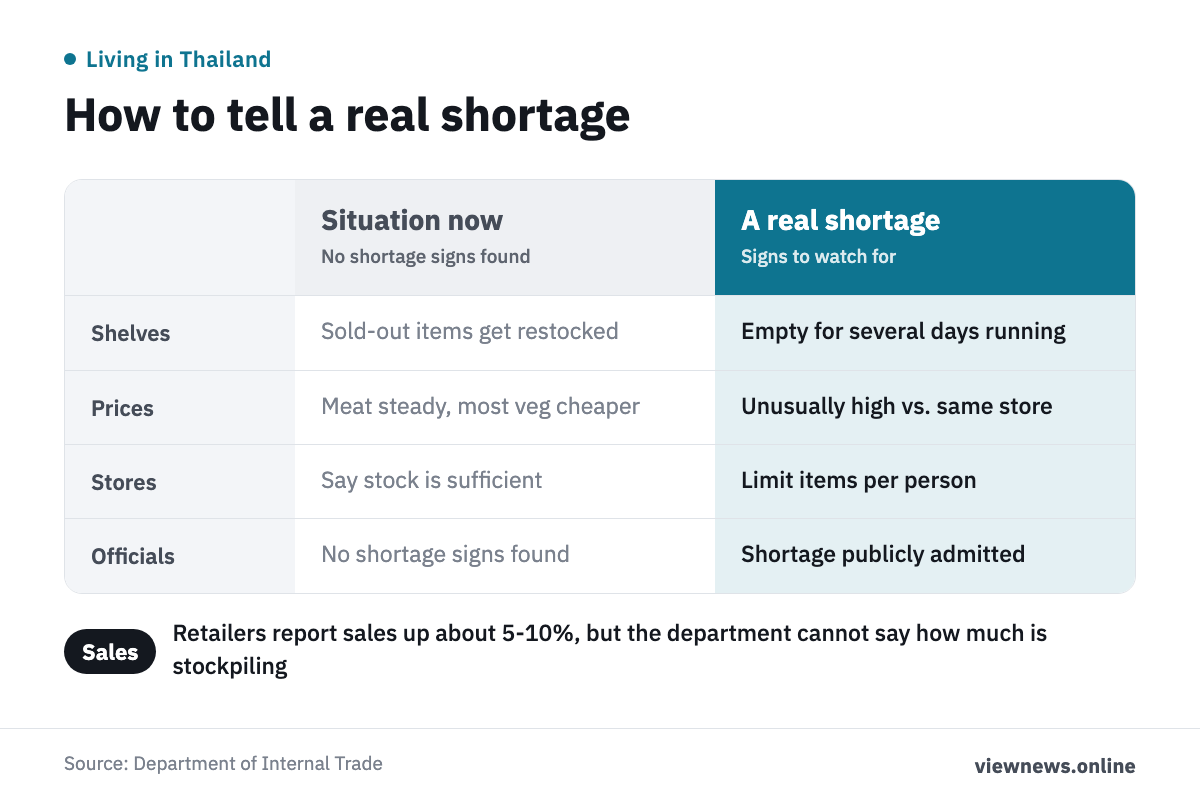
How to tell a real shortage
A rise in sales only shows that people are buying more. A shortage means goods are not reaching shelves or cannot be bought over a sustained period. The department looks at sales figures, distribution-center stock and manufacturers' capacity together. Shoppers can watch for these signs:
- The same product's shelf stays empty for several days in a row, not just while staff are still restocking.
- Prices rise unusually compared with what you have seen at the same store.
- Stores start limiting how many items each person can buy.
- The department or operators publicly admit that certain products are short. The department says it has not found this.
One sign alone, such as an empty water shelf one evening, does not prove a shortage, because stores are being resupplied from distribution centers. If several signs appear together and repeat over several days, be more cautious and check the department's latest statements.
The department has not given a recommended quantity to buy. Base your purchases on the number of people in your household and what you actually use. Buying far more than needed pushes sales up unnecessarily and can make items harder for others to find for a short time.
Report overpricing to hotline 1569
If you see unfair pricing, such as unusually high prices during the buying rush, you can complain to the Department of Internal Trade hotline at 1569. The department says it will send patrol officers to check and will continue to monitor.
When reporting, note the store or branch name, the product and the price you saw. A photo of the price tag or the receipt helps officials identify the product and the shop.
Source: Department of Internal Trade, statement by the director-general and the outcome of its meeting with wholesale and retail chains, convenience stores, local department stores and major manufacturers.
This article is adapted from ViewNews' Thai-language report.