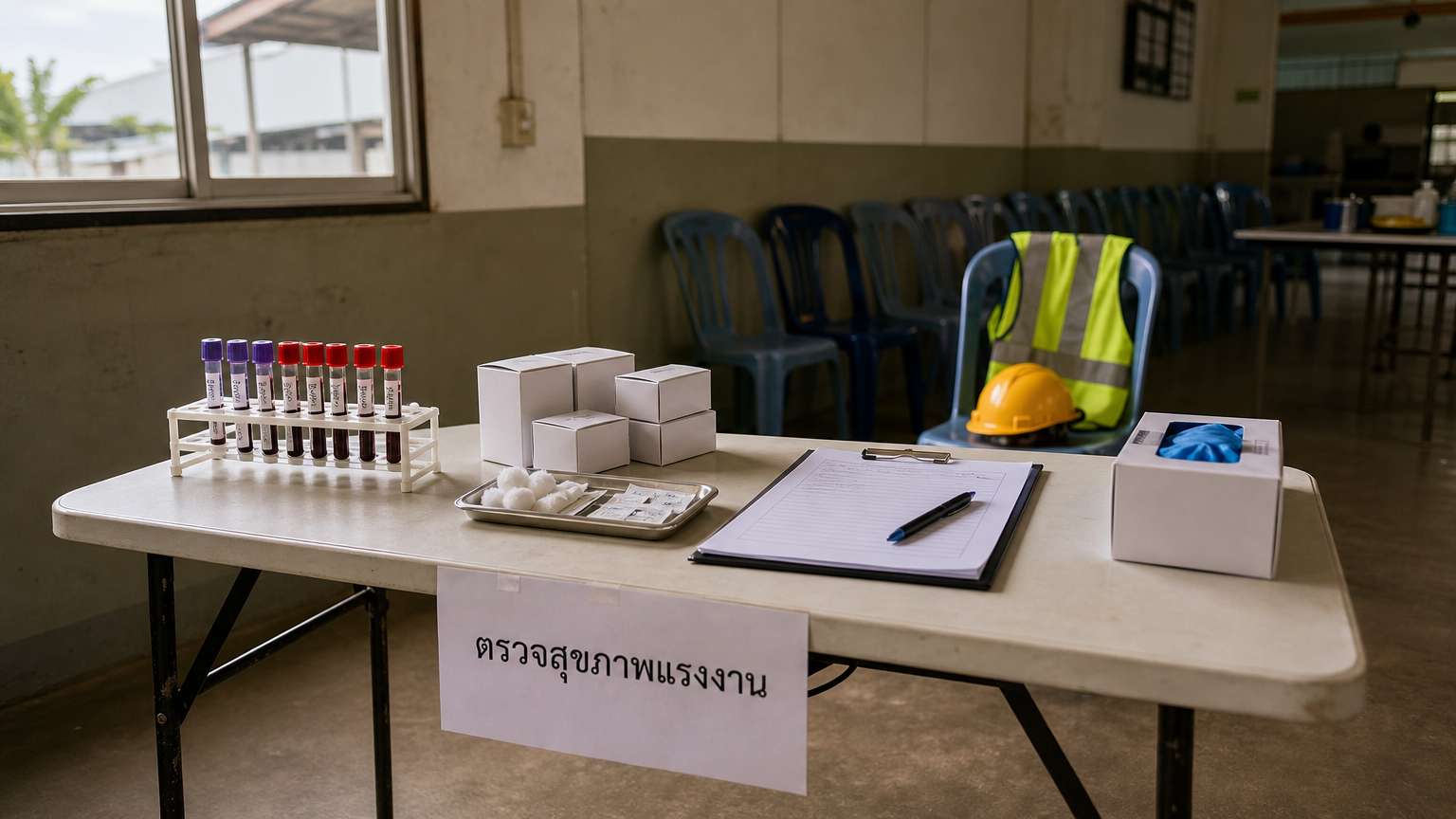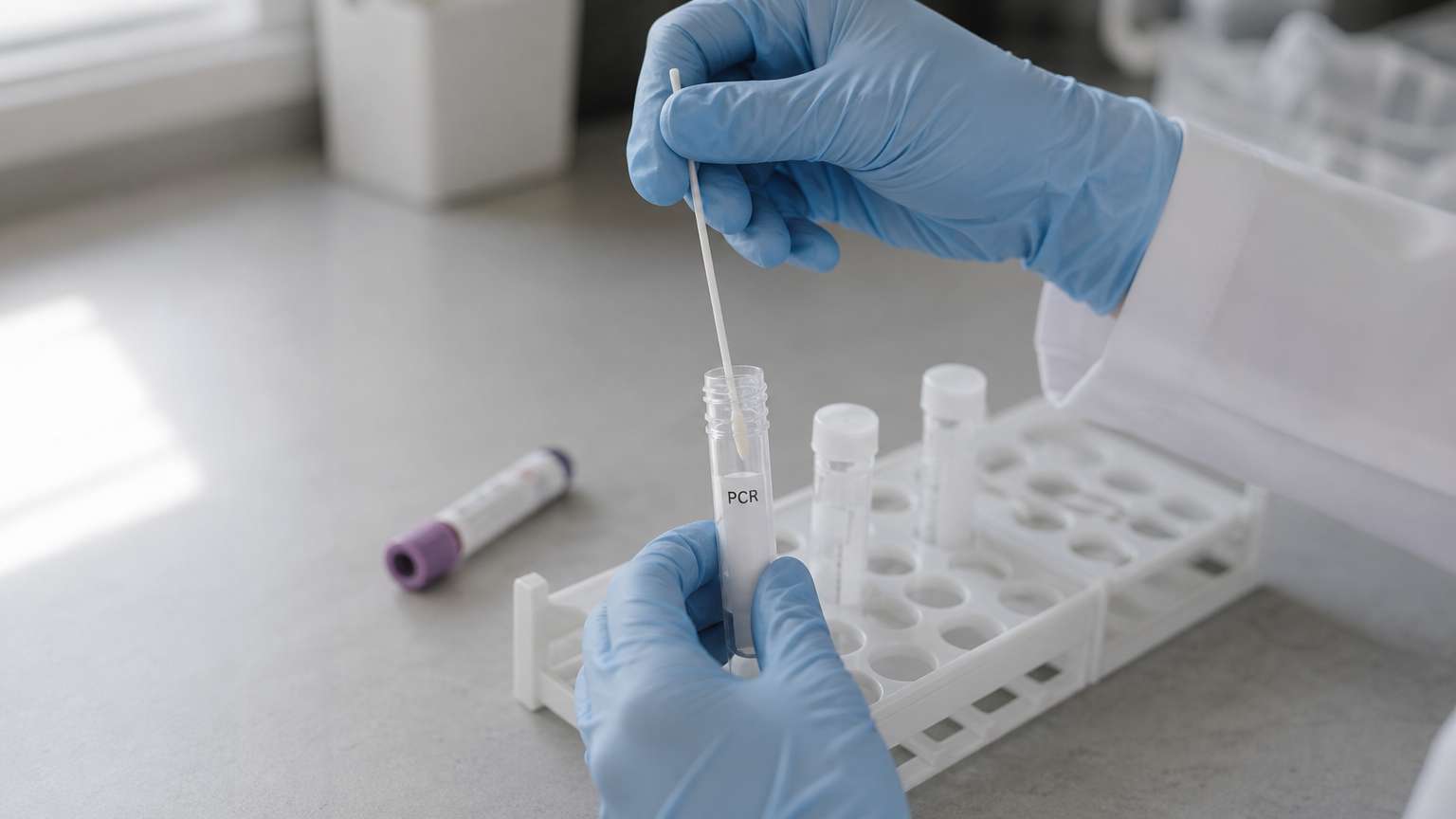
Mpox usually begins with a fever, followed by a rash or blisters on the skin. The Department of Disease Control (DDC) under the Ministry of Public Health reported on 3 November 2026 that Thailand has recorded 470 cases and 3 deaths so far in 2026, based on data up to 31 October 2026. Anyone with an unusual rash, blister or sore does not need to wait for it to spread before seeing a doctor. The DDC also stresses that mpox can only be confirmed by a PCR test on a sample taken from the skin lesion. A standard blood test cannot confirm it.
The department asks anyone with suspicious symptoms to come forward for testing and to give their symptoms and contact history honestly. It says medical staff will treat patients with understanding, respect their privacy and keep their information confidential.
Latest numbers, and why Thailand and global figures do not compare directly
The DDC reports 470 mpox cases in Thailand in 2026, with 3 deaths, up to 31 October 2026.
For the global picture, the DDC cites a World Health Organization (WHO) report published on 14 September 2026. It says that between 1 January 2025 and 31 August 2026, there were 68,096 confirmed cases and 272 deaths in 107 countries.
The two sets of figures should not be compared directly because they cover different periods. The global count runs from the start of 2025 to the end of August 2026, about 20 months. The Thai figure is the cumulative total for 2026 up to the end of October. The DDC itself notes that the reporting periods differ, so working out Thailand's share of the global total would give a misleading result.
Symptoms and how the rash develops
According to the DDC, the early stage usually brings fever, headache, back pain, muscle aches and swollen lymph nodes. A rash or blisters then appear on the skin. They can show up on the body, face, genitals and anus. Some people have only a few lesions, and some also have pain around the anus.
The department describes a clear sequence for the rash. It starts as raised red spots, becomes clear fluid-filled blisters, then turns into pus-filled blisters, and then begins to crust over, starting from the centre of each lesion. The lesions are usually separate, individual spots spread apart from one another.
Symptoms and their order can differ from person to person, so patients do not necessarily have every symptom listed above. The DDC advises seeing a doctor straight away if you notice an unusual rash, blister or sore, without waiting for it to spread across the body. This applies especially if you have had close contact with someone who has suspected mpox.
Why the test must be a PCR on the lesion
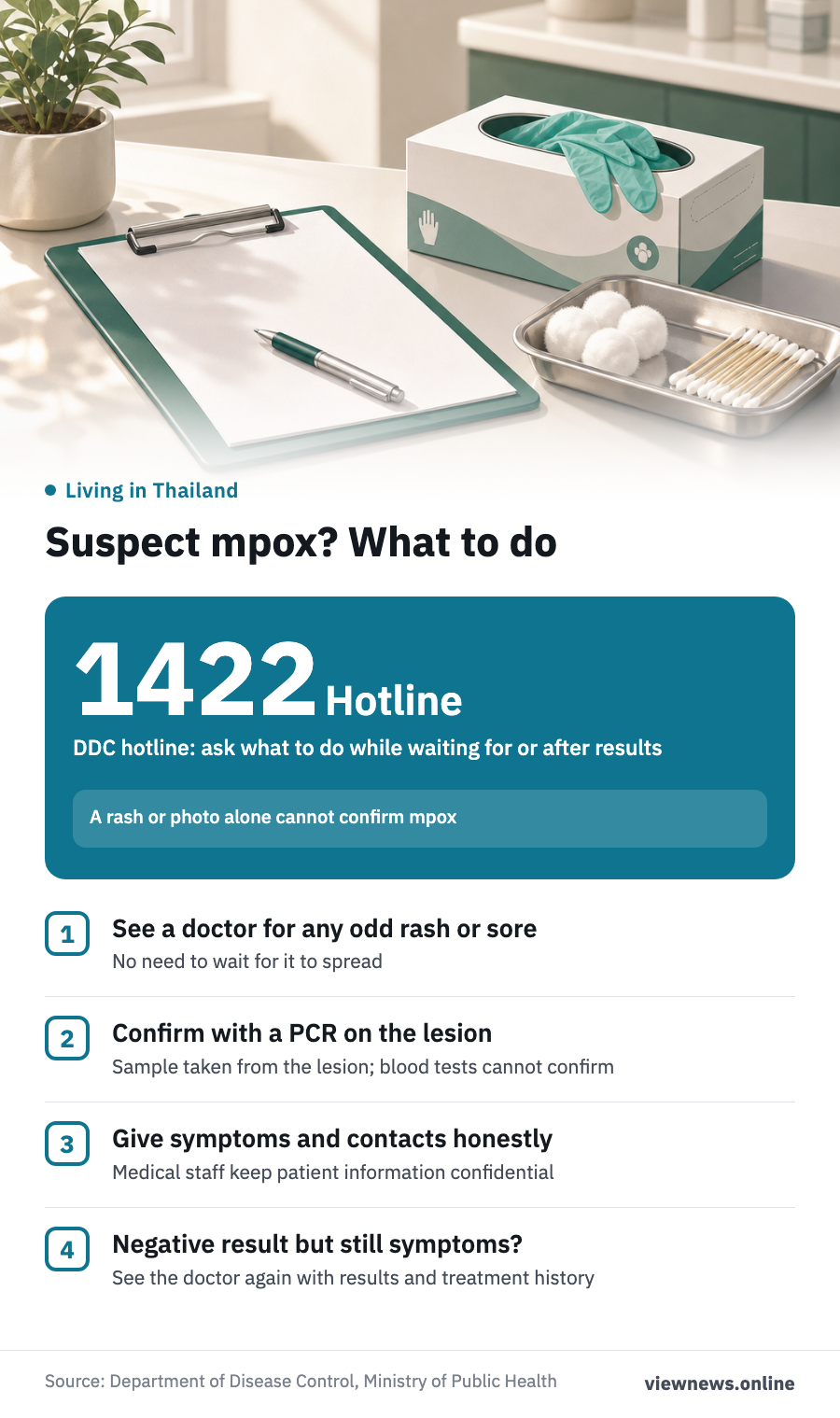
Mpox lesions can look like herpes, chickenpox or other skin infections. For that reason the DDC says that looking at a rash or a photo cannot confirm the disease, and readers should not judge for themselves from pictures whether they are infected.
The main confirmation method is a PCR test, which detects the virus's genetic material in a sample taken directly from the lesion. A general blood test is not a confirmatory test for mpox.
If a test finds no virus but the symptoms persist, new blisters appear or the symptoms change, the DDC advises going back to the doctor. Bring the test result and your treatment history. The doctor will assess you further or take a new sample for repeat testing where appropriate.
When to see a doctor, and where to ask questions
People with an unusual rash, blister or sore should see a doctor and should not wait until the rash spreads. The DDC asks people with a rash around the genitals or anus to come forward for testing and to describe their symptoms and contact history truthfully. It says healthcare workers will provide care with understanding, respect for privacy and confidentiality.
On treatment, Dr Direk Khampaen, a deputy director-general of the DDC, said most patients recover with symptom-based care, such as relieving pain, looking after wounds and preventing complications. For advice on what to do while waiting for results or after you get them, ask your treating doctor or call the DDC hotline on 1422.
The DDC did not say whether the hotline has English-language service, and the agency's report does not cover testing arrangements for foreign visitors or residents. If you are not a Thai speaker, check with the hospital or clinic in advance whether English-speaking staff are available.
Mpox is a notifiable communicable disease under Thailand's Communicable Diseases Act of 2015, under a Ministry of Public Health notification issued in 2022. This article is general information, not personal medical advice. Consult a doctor or pharmacist before starting or changing any treatment.
Source: Department of Disease Control, Ministry of Public Health (report of 3 November 2026, including World Health Organization data published on 14 September 2026), and the Ministry of Public Health notification on names and key symptoms of communicable diseases under surveillance (No. 2), 2022. This article is adapted from ViewNews' Thai-language report.