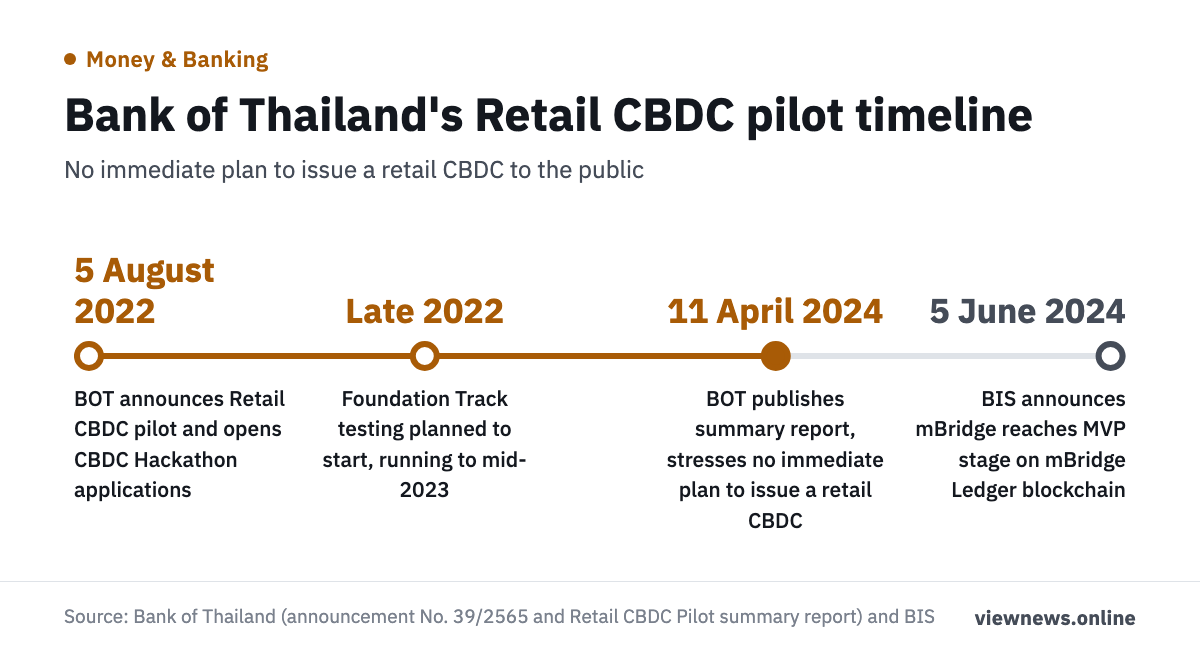
A central bank digital currency (CBDC) is digital money issued by a central bank. The Bank of Thailand (BOT) says it has no immediate plan to issue a retail CBDC for the general public. Anyone living in or visiting Thailand therefore does not need to switch from cash or the banking and transfer apps they already use. The BOT has so far tested a retail CBDC only with a limited group of users, and it published a summary report on the pilot on 11 April 2024.
What a CBDC is and how it differs from crypto
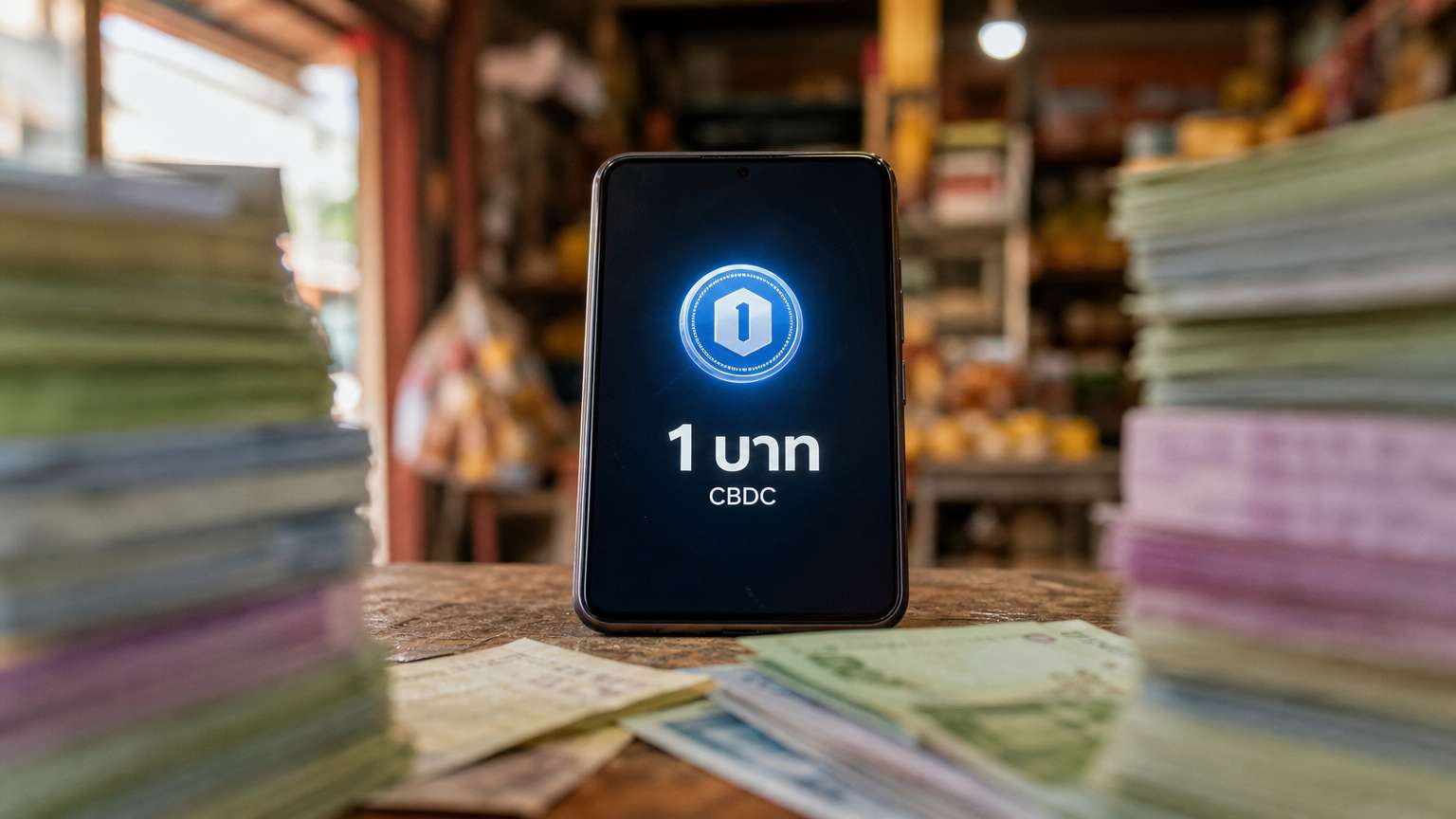
The BOT describes a CBDC as a digital currency issued by the central bank. It is comparable to the baht in the form of a token, a digital unit that represents value. It can be used as a medium of exchange, a store of value and a unit of account. One CBDC unit always equals one baht. It is a payment tool, not an investment asset.
The key difference from cryptocurrencies such as Bitcoin is the issuer. No central bank issues or backs a cryptocurrency. A CBDC is issued by the central bank. On its project page, the BOT says a CBDC is comparable to central bank banknotes in digital form. It is public money, which the BOT describes as risk-free.
Retail CBDC and wholesale CBDC
CBDCs come in two types, depending on who uses them. A retail CBDC is for the general public to pay for goods and services, as another payment channel alongside existing money. A wholesale CBDC is for financial institutions to transfer money between themselves, which makes settlement faster and more modern. Most people will not see the second type in daily life.
Thailand started with the wholesale side. The BOT lists these past projects: Inthanon phases 1 and 2, Inthanon-LionRock with the Hong Kong Monetary Authority, a supply chain financing project, and mBridge, which the BOT says began in 2021.
mBridge is a platform for cross-border payments using several CBDCs. As of June 2024, the Bank for International Settlements (BIS) said the project was developed by its Innovation Hub together with the BOT, the Central Bank of the United Arab Emirates, the Digital Currency Institute of the People's Bank of China and the Hong Kong Monetary Authority. On 5 June 2024, the BIS announced the project had reached the minimum viable product (MVP) stage on a new blockchain called mBridge Ledger. It can support real-value transactions depending on the readiness of each jurisdiction. The Saudi Central Bank joined as a full participant, and there are more than 26 observers. These figures and names come only from that BIS announcement.
Where the Retail CBDC pilot stands
The BOT's Retail CBDC pilot was a small-scale test. It used a controlled environment to pay for basic goods and services. The BOT announced it on 5 August 2022. It had two parts.
The first part, the Foundation Track, tested system performance and security. The plan covered about 10,000 users and three private service providers: Krungsri (Bank of Ayudhya), Siam Commercial Bank and 2C2P (Thailand). They used technology from Giesecke+Devrient. The test was planned to run from late 2022 to mid-2023.
The second part, the Innovation Track, tested programmability, meaning the ability to set conditions on how money is used, as a basis for new financial services. It included a CBDC Hackathon, open for applications from 5 August to 12 September 2022. The same announcement said the technology was chosen with privacy and security features in mind.
In the summary report of 11 April 2024, the BOT said the pilot covered parts of the retail CBDC life cycle from start to finish. It involved real-value transactions, financial service providers from the industry, and users and merchants selected in advance. The BOT sees CBDC-style infrastructure as a possible way to increase competition among financial service providers, open the door to innovation, and give the public more efficient, lower-cost services in the future. But it stressed that it has no immediate plan to formally issue a retail CBDC. It will use the results, especially the technology design, in its continuing study of payment systems.
Risks the BOT cites and what readers should know
The BOT says the pilot was meant to assess the risks of a retail CBDC before any policy decision, because a real launch could affect the financial system. It also raised a concern that if the payment system depends on only a few private providers, those providers could gain too much influence over the financial system and affect domestic financial stability. The BOT adds that private digital money raises safety and risk concerns, which is one reason to study government-issued digital money.
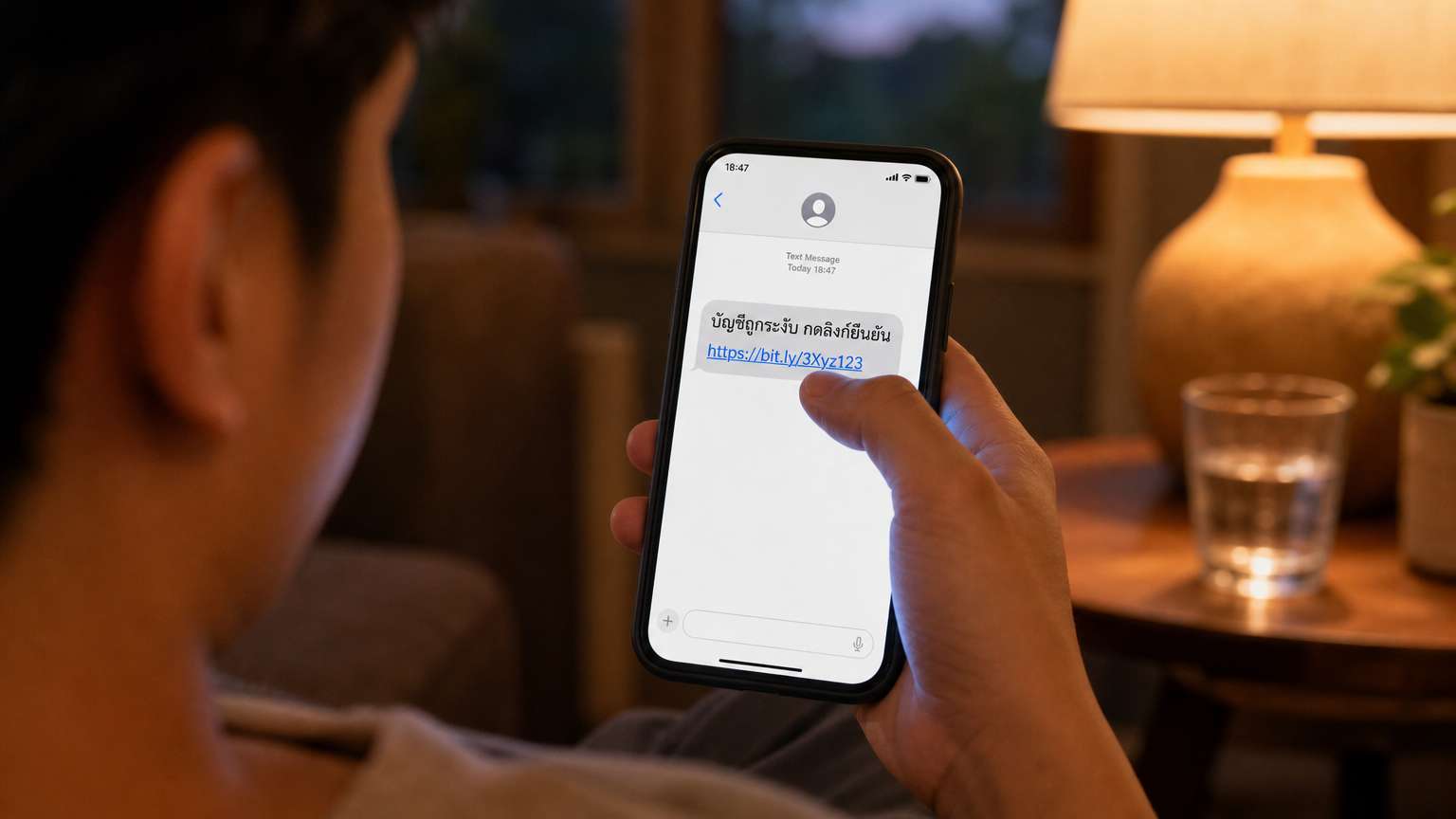
For everyday users, the BOT says there is no plan to issue a retail CBDC to the general public, and the pilot was limited to users selected in advance. In its 2022 announcement, the BOT warned that some people falsely claim to offer a retail CBDC or pitch investments. If you see a message inviting you to sign up for or invest in a "CBDC", be cautious.
What to watch next is whether the BOT moves from study to actual issuance, and how it builds on the pilot results for new payment systems. The mBridge details above are the status as of June 2024. For the latest, check announcements from the BIS and the BOT.
Source: Bank of Thailand (announcement No. 39/2565 of 2022, its central bank digital currency project page, and its Retail CBDC Pilot summary report) and the Bank for International Settlements (BIS). This article is adapted from ViewNews' Thai-language report.